

Organic farming is no longer a niche trend. It is becoming a practical strategy for improving food safety, restoring soil health, and creating stable long-term value for both farmers and consumers.
Building Healthier Soil Year After Year
Instead of relying on synthetic inputs, organic systems prioritize compost, crop rotation, and natural soil cover. This approach strengthens soil structure, improves water retention, and makes crops more resilient during heat or heavy rain periods.
Reducing Residue Risks in Daily Meals
When farms reduce chemical pesticides and fertilizers, residue exposure in vegetables and fruits can be reduced significantly. This matters for family meals, especially for children and elderly consumers who are more sensitive to food quality.
Improving Farm Economics Through Quality
Organic operations can lower dependence on expensive synthetic products and often secure better pricing in premium channels. The key is consistency in quality, transparent records, and harvest planning aligned with market demand.
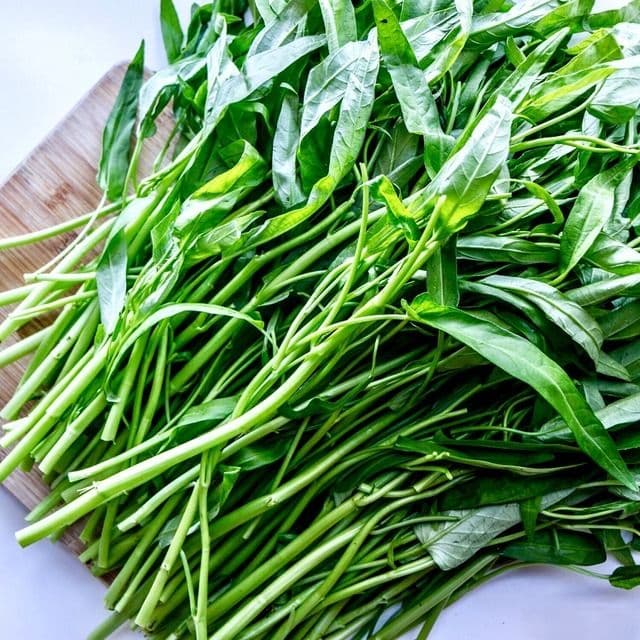
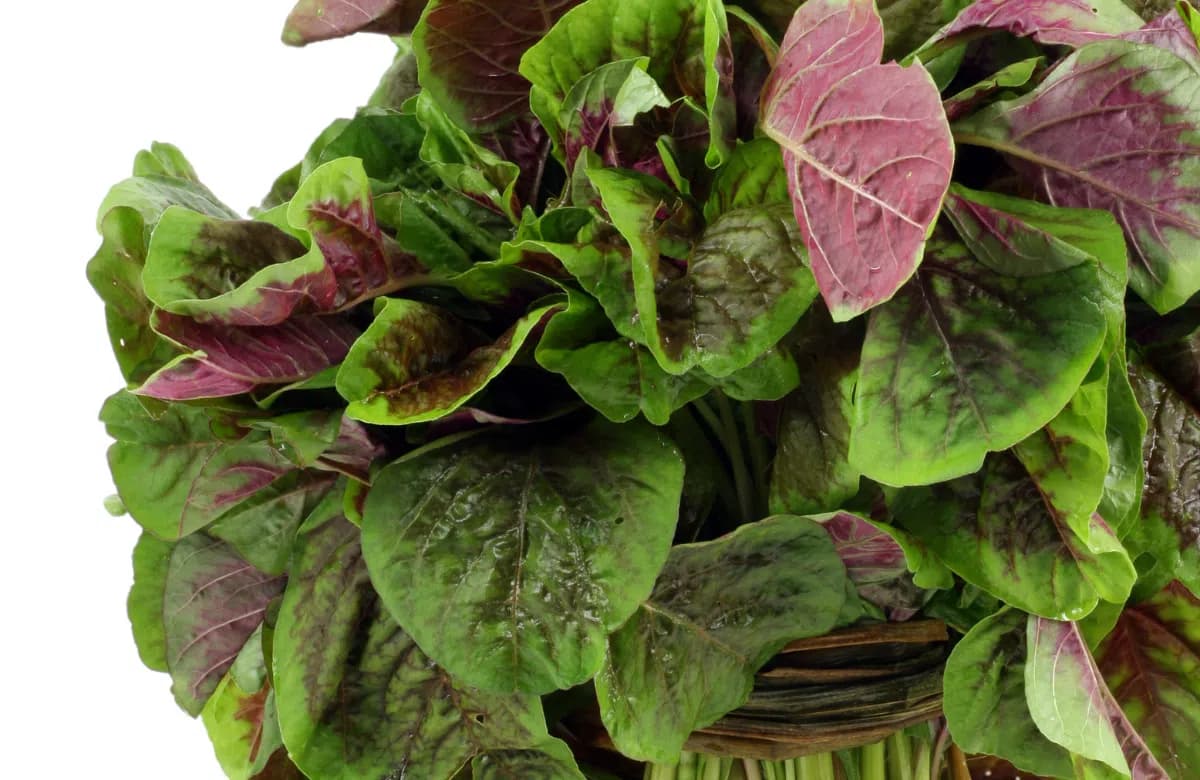
Produce Highlights
Conclusion
Organic farming works best when it is managed as a system, not a single technique. With careful planning, it can protect land resources while delivering safer produce to the market.