
Vietnamese chili peppers combine strong flavor with scientific quality control. Their market value is shaped by capsaicin chemistry, cultivation conditions, and standardized post-harvest processing.
Capsaicin and Scoville Profile
Chili heat is driven by capsaicin interacting with TRPV1 receptors. Vietnamese varieties typically sit in medium-to-high Scoville ranges, giving a practical balance of pungency and flavor for fresh and processed use.
Climate, Nutrition, and Precision Farming
Vietnam's 20-30C tropical conditions support capsaicin development, carotenoids, and antioxidants. Modern farms apply traceable input control and standards such as Global G.A.P. and HACCP.
Harvest, Drying, and Export Compliance
Peppers are harvested by maturity stage, then cooled, graded, and dried using controlled methods. Export batches are verified against MRL, microbiological, and certification requirements including ISO 22000 and Codex.
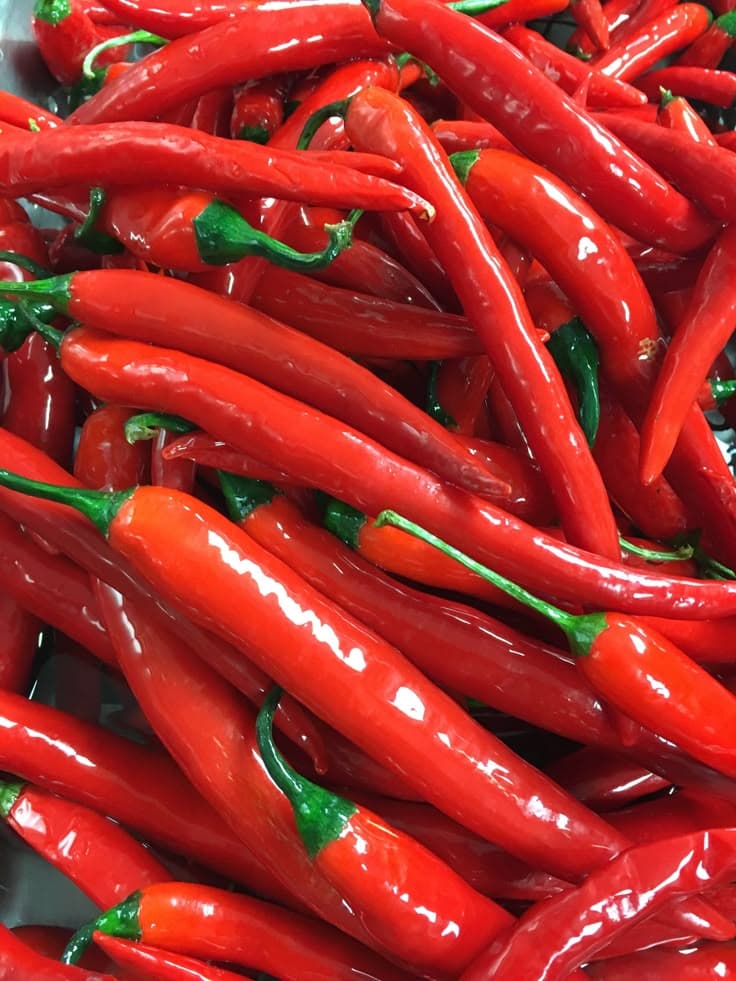
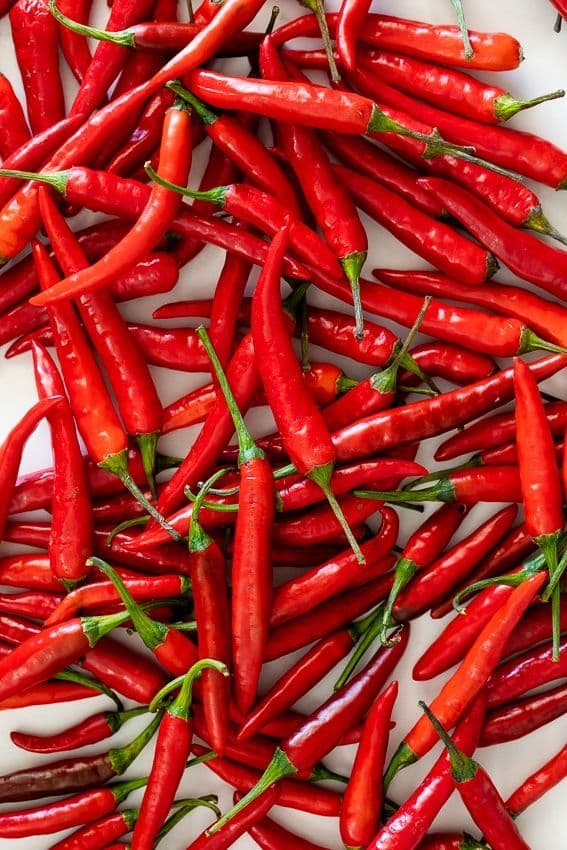
Article Gallery
Conclusion
From capsaicin chemistry to controlled logistics, Vietnamese chili quality is built on measurable science and disciplined production.