
Vietnamese lychee is valued globally for sweetness, aroma, and visual quality. Its success comes from ideal growing regions, strict farming standards, and advanced post-harvest handling.
Natural Advantages and Cultivation Standards
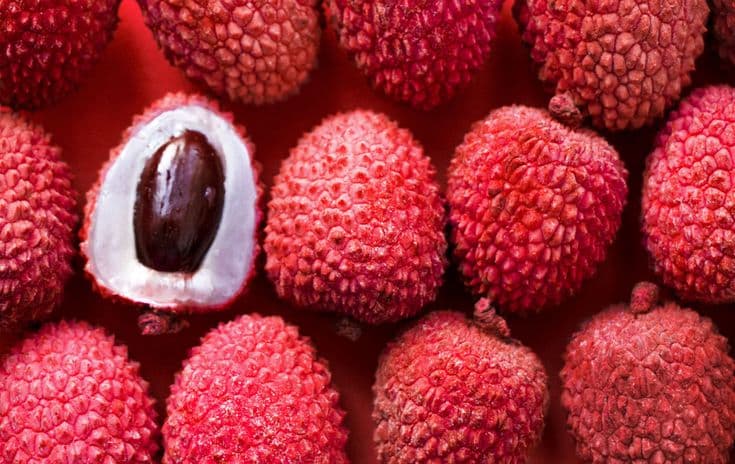
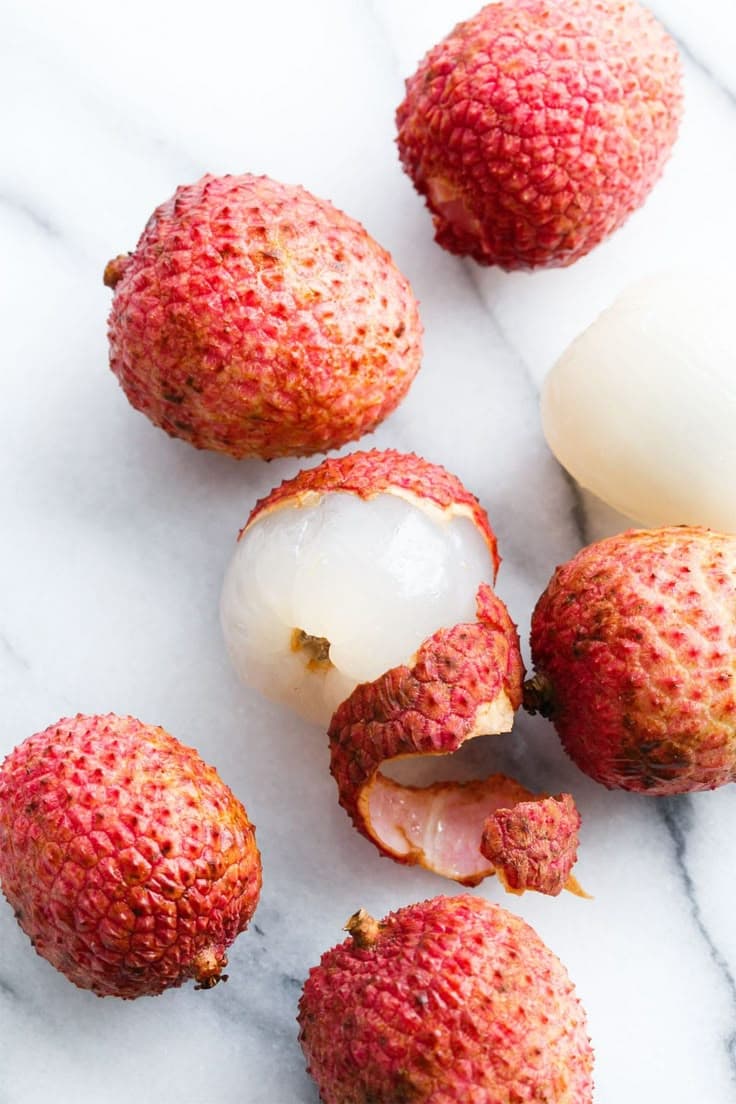
Regions such as Bac Giang and Hai Duong provide rich soil and suitable climate for high-Brix lychee with thin skin and small seed. Farms increasingly apply Global G.A.P. and VietGAP for safe and sustainable cultivation.
Harvest at Peak Maturity
Lychee is harvested only at optimal ripeness to maximize sweetness, juiciness, and aroma. Correct harvest timing improves shelf life and helps fruit meet export-grade consistency.
Cold Chain, Grading, and Export Readiness
After harvest, fruit is cooled rapidly, graded carefully, and packed for transport stability. Residue testing, food safety checks, and traceability records support market access in Japan, Australia, EU, and the US.
Article Gallery
Conclusion
Vietnamese lychee represents the combination of natural strengths and professional supply-chain management, delivering premium tropical fruit to demanding international markets.